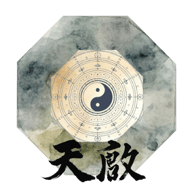
When 天鉞 sits alongside Zi Wei (紫微), the configuration brings senior female mentorship and quiet sponsorship — opportunities arriving through behind-the-scenes connections, well-positioned women, or unexpected nighttime turns of fortune. The 'night' nobility complement to 天魁's 'day' nobility. Pairs especially well with Main Stars that benefit from intuitive guidance (Tai Yin, Tian Tong, Tian Ji).
Configuration
- Auxiliary star: 天鉞 (Tian Yue, Heavenly Noble (Night)) — yin fire, auspicious
- Main star: 紫微 (Zi Wei, The Emperor Star) — Yin Earth, Northern Dipper
- System: Zi Wei (紫微) system
- Register domain: Senior female mentors, nighttime nobility, hidden opportunities, the quiet sponsor register
Element interaction
The auxiliary’s fire element generates the main star’s earth — classically read as one of the more nourishing elemental supports the main star can receive.
Classical signature
魁鉞拱命 — nobility flanks the sovereign. Tian Yue with Zi Wei reads as institutional advancement supported by quiet female sponsorship; complements the Tian Kui pairing as the night-half of the noble-flanking configuration.
Zi Wei read with Tian Yue
Zi Wei is the polar star of Chinese astronomy and the named anchor of the entire Zi Wei Dou Shu system — the chart layout is built outward from where Zi Wei lands. Its archetype is sovereign rather than warrior: it organises, presides, and stabilises, but rarely moves first.
When 天鉞 (Tian Yue) sits in the same palace as 紫微, the Zi Wei register described above receives Tian Yue’s particular support — senior female mentors, nighttime nobility, hidden opportunities, the quiet sponsor register. The Zi Wei register, already established by the Main Star’s own classical character, is amplified along the specific axis Tian Yue adds: heavenly noble (night).
How to read 天鉞配紫微 in a chart
The configuration is recognised when both 天鉞 (Tian Yue) and 紫微 (Zi Wei) land in the same palace of a Zi Wei Dou Shu chart. The configuration’s strength depends on which palace they share (Self, Career, Wealth, Spouse, etc. each shift the register), whether either star is ‘in position’ (得位) or ‘losing brightness’ (失輝) by palace placement, and whether other Auxiliary or Killing Stars are present in the same or opposing palace. The Four Transformations (四化) active in the chart’s 10-year luck pillar can also amplify or dampen the configuration.
Why generic Tian Yue Zi Wei interpretation fails
The 天鉞配紫微 configuration is one structural feature of a ZWDS chart, not the whole chart. Whether the configuration helps or harms a specific reading depends on the palace it sits in, the surrounding Auxiliary and Killing Stars, the Four Transformations active in the current luck pillar, and what the chart needs structurally. The same configuration can be highly favourable in one chart (where the auxiliary supports a main star already in good standing) and merely additive in another (where the main star is weakened and even strong auxiliary support cannot fully compensate). Master Sean Chan’s Zi Wei Dou Shu consultation reads the full chart against your specific question.