QI MEN DUN JIA CALCULATOR
Free QiMenDunJia Hour Chart · 九星 · 八門 · 八神
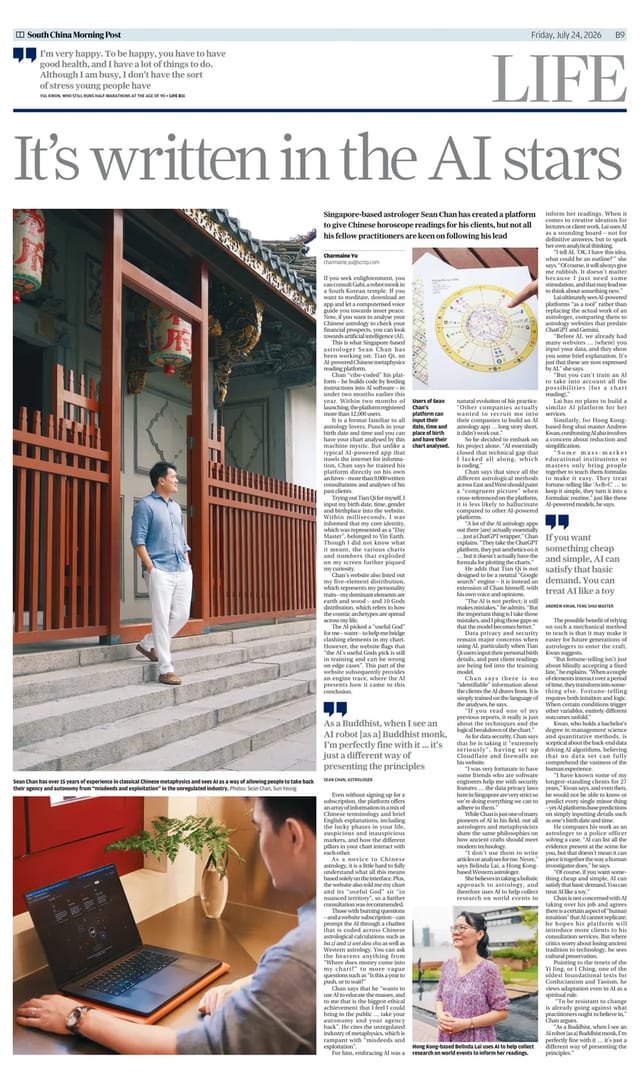
Qi Men Dun Jia (奇門遁甲) is a classical Chinese divination system that maps the quality of time and space onto a nine-palace chart, used since the Han dynasty for strategic timing and direction. This free calculator generates a QMDJ hour chart for any date and time, mapping the Nine Stars, Eight Gates, and Eight Gods across the nine palaces, revealing the energetic configuration of any 2-hour 時辰 interval.
Use the CalculatorQI MEN DUN JIA CALCULATOR
Enter any date and time to generate your Qi Men Dun Jia hour chart. The calculator recasts automatically for every 2-hour 時辰 interval, the classical standard used in QMDJ practice.
How the Chart Works: Yang Dun (陽遁) & Yin Dun (陰遁)
This QiMenDunJia calculator detects which Dun cycle applies to your selected date and assigns the correct 局 (Ju) number, ranging from 1 to 9. This determines the distribution of the Nine Stars across the nine palaces. Yang Dun runs from Winter Solstice to Summer Solstice; Yin Dun from Summer to Winter Solstice. Each hour within each Ju produces a unique energetic configuration of Stars (九星), Gates (八門), and Gods (八神).
| 宮 4 九地 天任 生门 天 己 地 癸 | 宮 9 九天 天冲 伤门 天 丁 地 戊 | 宮 2 值符 天辅 杜门 天 癸 地 丙 |
| 宮 3 玄武 天蓬 休门 天 乙 地 丁 | 宮 5 值符 天禽 杜门 天 癸 地 壬 | 宮 7 螣蛇 天英 景门 天 戊 地 庚 |
| 宮 8 白虎 天心 开门 天 辛 地 己 | 宮 1 六合 天柱 惊门 天 庚 地 乙 | 宮 6 太阴 天芮 死门 天 丙 地 辛 |
The chart reveals the moment. Mastery reveals the meaning.
Whether you seek clarity on a specific decision or wish to learn the full art of Qi Men Dun Jia, Master Sean Chan offers personal guidance and structured training rooted in classical methodology.
Personal Qi Men Reading
Get a one-on-one Qi Men Dun Jia consultation for career moves, business timing, relationships, or any decision that demands strategic clarity.
Book a SessionQMDJ Bootcamp
Master strategic decision-making through 10 modules and 64 lessons. From fundamentals to advanced chart analysis, learn at your own pace.
Enrol NowTHE THREE LAYERS OF THE QMDJ CHART
九星Nine Stars
The Nine Stars occupy the nine palaces and represent the broader energetic field, the celestial forces shaping each moment. Each star carries elemental and symbolic qualities that colour the palace it occupies.
八門Eight Gates
The Eight Gates represent the channels of human action, the quality of movement through time and space. The Gate in a given palace defines what type of activity is favoured or impeded at that location and moment.
八神Eight Gods
The Eight Gods provide the spiritual and strategic layer of the chart. They amplify, suppress, or transform the energies of the Star and Gate they accompany, adding nuance to every palace reading.
QMDJ vs BaZi vs Zi Wei Dou Shu
| System | What it reads | Best for | Cast from |
|---|---|---|---|
| Qi Men Dun Jia (奇門遁甲) | The quality of a moment in time and space, across nine palaces of stars, gates, and gods. | Strategic timing, direction, and specific decisions. | Any date and hour. |
| BaZi / Four Pillars (八字) | Your natal destiny and the elemental balance of your birth. | Life path, character, and luck cycles. | Your birth date and time. |
| Zi Wei Dou Shu (紫微斗數) | Fourteen major stars mapped across twelve life palaces. | A detailed life map of career, marriage, wealth, and health. | Your birth date and time. |
Qi Men Dun Jia reads the moment; BaZi and Zi Wei Dou Shu read the person. Many practitioners use all three together.
FREQUENTLY ASKED QUESTIONS
Qi Men Dun Jia (奇門遁甲) is a classical Chinese strategic divination system dating to the Han dynasty. It maps the interaction of 9 Stars (九星), 8 Gates (八門), 8 Gods (八神), and the 10 Heavenly Stems across nine spatial palaces for any given 2-hour interval, revealing the quality of time and space for decision-making, timing, and direction selection. Unlike BaZi, which analyses natal destiny, QMDJ is not tied to a person's birth; it analyses any moment in time.
A QiMenDunJia calculator (also spelled Qi Men Dun Jia calculator) is a tool that computes the classical hour chart for any given date and time. It determines the Yang Dun or Yin Dun cycle, assigns the correct 局 (Ju) number, and distributes the Nine Stars (九星), Eight Gates (八門), Eight Gods (八神), and Heavenly Stems across the nine palaces. This calculator follows the 拆補 (intercalary) method with a rotating disc (轉盤) layout.
The 局 (Ju) refers to the cycle configuration number within Yang Dun or Yin Dun, ranging from 1 to 9. It determines how the Nine Stars are distributed across the nine palaces for a given time period. There are 18 possible configurations in total (9 Yang Dun and 9 Yin Dun), each producing a distinct energetic landscape. The Ju changes every 5 days as the solar cycle progresses.
空 (Kong) indicates Empty/Void: the palace falls in the Empty Branches (空亡) for the day or hour. 墓 (Mu) means the palace's heavenly stem is entrapped. 刑 (Xing) indicates a mutual punishment relationship. 迫 (Po) indicates a Gate-element clash with the palace element. These markers weaken or distort the normal expression of a palace's energy and are critical to accurate chart interpretation.
Click any palace in the chart to designate it as the 用神 (Yong Shen), the "useful god" or subject of your enquiry. The selected palace will be marked with a gold badge. Click again to deselect. Identifying the correct Yong Shen is central to reading the chart for a specific question; it becomes the reference point from which all other palace relationships are assessed.
The 值符 (Zhi Fu) is the Duty Symbol, the God responsible for the hour, always paired with the leading Heavenly Stem. It marks the Star holding the primary celestial authority for that chart. The 值使 (Zhi Shi) is the Duty Emissary, the Gate holding corresponding authority. Together, they define the primary axis of the chart's energetic expression.
格局 (Ge Ju) are special configurations, named patterns formed by specific combinations of Stars, Gates, Gods, and Stems appearing together in the same palace. Auspicious patterns such as 青龍返首 or 天遁 indicate highly favourable conditions. Warning patterns like 伏吟 and 反吟 indicate stagnation or reversal. The engine detects and displays all active patterns automatically.