Configuration
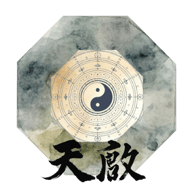
申子辰三合水 involves the following branches:
- 申 Monkey
- 子 Rat
- 辰 Dragon
Combined element: water
Classical register
The three branches that, when together, form a water trine: 申 (Monkey, yang metal, early autumn) generates water → 子 (Rat, peak yin water, mid-winter) holds water → 辰 (Dragon, late-spring storehouse) stores water. The combined configuration carries strong water-element register: intelligence, communication, fluid social mobility, the kind of intellectual or relational momentum that water-element cooperation supports. Particularly favourable for careers requiring ongoing learning, communication-driven work, and the kind of strategic intelligence-gathering that water classically governs.
How to read 申子辰三合水 in a chart
The 申子辰三合水 configuration activates when the involved branches appear together in the four pillars of a BaZi chart (year, month, day, or hour pillar). Practitioners read the configuration's register against where in the chart it appears: a clash between year and month pillars often relates to the family of origin and early-life environment; between day and hour, to spouse / offspring matters; in the luck-pillar transitions, to the timing of the configuration's activation across decades. Beyond presence-or-absence, the configuration's strength depends on the chart's broader elemental balance and the Day Master's structural needs.
Why generic Monkey-Rat-Dragon Water Trine interpretation fails
The 申子辰三合水 register is one structural feature of a BaZi chart, not the whole chart. Whether the configuration helps or hurts a specific consultant depends on their Day Master, the chart's elemental balance, the Useful God, and the luck pillar currently operating. The same configuration can be highly favourable for one chart (e.g., a clash that releases stuck energy) and challenging for another (e.g., a clash that destabilises a needed pillar). Master Sean Chan’s BaZi consultation reads the full chart against your specific question.