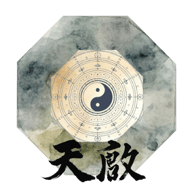
太歲 is the year branch itself, by definition. Whichever sign is born in the year that shares the year branch is in their 本命年 (běn mìng nián, ‘fate year’), classically called ‘offending Tài Suì’ (犯太歲). The phenomenon is a real classical configuration: the year-branch energy presses directly on whichever palace contains the Tài Suì branch in the client’s full chart.
The pop-forecast industry has, since the 20th century, monetised Tài Suì years aggressively — red underwear, jade pendants, paid 拜太歲 rituals, ‘mastery’ courses. None of these objects appear in any pre-1900 classical text. Classical practice does not recommend appeasement; it recommends reading the chart carefully and preparing for identity-themed pressure on the specific palace Tài Suì occupies.
For evaluation: identify which palace contains the Tài Suì branch (year, month, day, or hour palace), examine the hidden stems of that branch against the Day Master, and assess whether the activation tilts toward role transition (productive) or role erosion (taxing). Same star, different charts, opposite outcomes.
太歲 sits on the year branch by definition. In 2027 (year 丁未), 太歲 sits on 未 (Sheep). In 2026 (年丙午), 太歲 sat on 午 (Horse). The rotation advances one branch per calendar year through the 60-year sexagenary cycle.