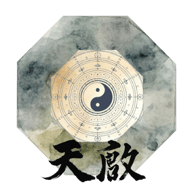
巽宮 (Southeast Palace, Xùn Gōng) is one of the 9 Palaces (九宮) of Qi Men Dun Jia, based on the Luo Shu (洛書) square. The Xun southeast palace — scholarship, eldest daughter, romance, and gentle wealth; native star 天輔 is highly auspicious.
巽宮: classical attributes and register
巽宮 is the palace at Luo Shu position 4, governing the southeast direction. The wood element of this palace and the family-position assignment shape how the gate / star / spirit / stem components landing here are read.
The Southeast palace governs questions about scholarship, the eldest daughter, gentle wealth-generation, romantic introductions, and secret study. Its native star 天輔 (scholar) is one of the most-favourable stars; the native gate 杜門 (concealment) gives the palace a register of 'good things developing quietly'. Strong default favourability for academic and romantic questions.
Why generic palace interpretation fails
The 巽宮 palace's register is a baseline — what the palace contributes before any gate / star / spirit / stem lands on it. The actual reading for a specific consultation depends on which components occupy the palace at the time of the question. The native 天輔 star and 杜門 gate carry the strongest expression of the palace's intrinsic register; non-native components either amplify or moderate that baseline. Chart-aware reading reads what is actually present.
Practical priorities
Read the 巽宮 palace's baseline register first — the palace contributes its element, trigram, family-position, and native-star/gate registers to whatever components land on it.
Identify the components actually landing on this palace in your current consultation. The chart-cast pattern is what determines the read; the palace's baseline is the canvas, not the painting.
Book a forecasting consultation via QMDJ forecasting service for chart-aware reading of any high-stakes question involving this palace.
Frequently asked questions
What does the 巽宮 palace mean in QMDJ?
The Xun southeast palace — scholarship, eldest daughter, romance, and gentle wealth; native star 天輔 is highly auspicious. The palace governs scholarship, eldest daughter register, gentle wealth, romantic matters, secret study, concealment.
What is the 巽宮 palace's family position?
The 巽宮 palace is associated with the Eldest Daughter role under classical doctrine. When questions about the eldest daughter arise, the components landing on this palace are read with particular attention.
Why does the 巽宮 palace have a native gate?
Each of the eight cardinal/intercardinal palaces has a native gate that is the strongest expression of that palace's elemental and directional register. The 巽宮 palace's native gate is 杜門 — when this gate lands on its native palace in a consultation, the configuration is at maximum strength of the gate's register.
QI MEN DUN JIA FORECASTING
Get a chart-aware QMDJ reading for your specific question.
Master Sean Chan’s Qi Men Dun Jia forecasting consultation reads the specific question you bring against the current dun period’s chart. The reading identifies which gates / stars / spirits are activating for your question, what classical patterns are present, and the favourable timing window for your action. Zero generic advice — every consultation is chart-specific.
Master Sean Chan’s free Qi Men Dun Jia calculator plots the current chart for any time of day. Use it to see the current dun period’s gate / star / spirit / stem distribution across the nine palaces — useful for self-study, but no substitute for chart-aware reading of a specific question.
Master Sean Chan’s QMDJ Bootcamp takes you from beginner through intermediate — chart casting from date and time, the dun-period mechanism, the heaven/earth board rotation, and how to read the 9 stars / 8 gates / 8 spirits / 9 palaces / 9 stems for actual consultation questions. The bootcamp teaches the methodology these reference pages deliberately omit, so you can read charts for yourself.
Not one system, but three. Tian Qi reads your chart across BaZi, Zi Wei Dou Shu, and Qi Men Dun Jia at once, then cross-checks every engine, so your answer is verified and layered. Master-level clarity in minutes.
A true tri-engine mind that checks its own analysis across all three systems
Your BaZi Four Pillars decoded: day master, ten gods, and the forces shaping your life
Zi Wei read palace by palace, and Qi Men to time your biggest decisions
One AI reading your chart across BaZi, Zi Wei Dou Shu, and Qi Men Dun Jia at once. Master-level clarity in minutes.