Skip to content
兌門坎主 禍害宅 — Singapore HDB / Condo Feng ShuiClassical 阳宅三要 reading for the West-door / North-master configuration in Singapore homes.阳宅三要 · DOOR × MASTER PAIRING兌門坎主禍害宅West Door · North Master · CalamityEIGHT MANSIONS · CLASSICAL READING
阳宅三要 · 禍害宅

兌門坎主 禍害宅: West Door / North Master Bedroom 兌門坎主 · 禍害宅

兌門坎主 — West-octant main door paired with North-octant master bedroom — reads classically as 禍害宅 (Huo Hai, “Calamity”), the 5 of 8 (mildly inauspicious) of the eight 阳宅三要 outcome classes.


兌門坎主: classical reading and observed register

The pairing of an West-octant main door (Dui, ) with a North-octant master bedroom (Kan, ) is one of the 64 cells in the classical 阳宅三要 (Yang Zhai San Yao — “Three Essentials of the Yang Dwelling”) door × master matrix. Under 八宅 (Eight Mansions) doctrine, this specific pairing falls into the 禍害宅 outcome class.

Classical reading

兌門坎主:禍害宅:小人是非,口舌爭端,疾病累及,事不順遂。

Classical 阳宅三要 reading for 兌門坎主, in the 禍害宅 (Huo Hai) outcome class. Households commonly report low-grade ongoing friction — petty workplace disputes, minor recurring accidents, gossip cycles within the household or the family, the slow erosion of energy through accumulated small irritations rather than through any single dramatic event. The mildest of the four inauspicious outcomes; manageable with site-specific correction.

What households in this configuration commonly experience

Households commonly report low-grade ongoing friction — petty workplace disputes, minor recurring accidents, gossip cycles within the household or the family, the slow erosion of energy through accumulated small irritations rather than through any single dramatic event. The mildest of the four inauspicious outcomes; manageable with site-specific correction.

Why generic guidance for 兌門坎主 fails

The 阳宅三要 outcome class is one of three layers that determine how a configuration actually plays out for a specific household. The other two layers — the building’s 玄空 (Xuan Kong) period and mountain/water chart, and each occupant’s personal BaZi and Zi Wei Dou Shu charts — modify the classical reading substantially. The same 兌門坎主 configuration can read as “mildly inauspicious” under one period chart and shift register under another. It can support one occupant’s chart and clash with a co-occupant’s. Generic per-pairing guidance can name the classical register and the most-watched caveats, but it cannot tell you which apply to your household.

The classical doctrine itself is explicit about this: 阳宅三要 sets the foundational pairing, but the household’s actual experience requires the additional layers to read. Master Sean Chan’s blog post on the chart-house interconnection covers this multi-layer reading.
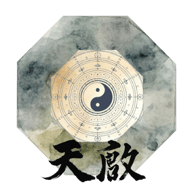
What to do — practical priorities for 兌門坎主 configurations

  • Read the configuration in context, not in isolation. The 兌門坎主 pairing produces a 禍害宅 register at the foundational layer, but the household’s actual experience depends on the building’s period chart, the occupants’ personal charts, and the year-transit pattern. Site-specific reading is required to know which classical caveats activate.
  • Pre-purchase audit. If you are evaluating a Singapore home with this configuration before signing the option-to-purchase, a pre-purchase feng shui audit reads the pairing against your personal charts and the building’s period chart, and tells you concretely whether the configuration is workable for your household before contractual commitment.
  • Existing-residence audit. If you already live in a home with this configuration, a full residential feng shui audit identifies which of the classical registers are most-likely to activate for your specific household and produces structural / orientation / timing guidance accordingly.
  • Do not rely on generic feng shui “cures” for this pairing. The retail apparatus around feng shui — six-emperor coins, bagua mirrors, salt-water vessels, talismans — does not modify the underlying 阳宅三要 outcome class. Classical correction for a clashing pairing is structural (entry sequence, master-bedroom usage, room-allocation reassignment) and timing-based (avoid certain transit years for major decisions), not object-based.

Frequently asked questions

Is every 兌門坎主 home automatically 禍害宅?

Every home with an West-octant main door and an North-octant master bedroom falls into the 禍害宅 outcome class at the 阳宅三要 layer. But the household’s actual experience depends on the building’s period chart, the occupants’ personal charts, and the year-on-year transit pattern. The pairing sets the foundational register; the other layers determine which caveats activate. Two households in identical 兌門坎主 configurations can experience meaningfully different registers based on these other layers.

What does 兌門坎主 mean for someone considering buying a Singapore HDB or condo with this layout?

If the configuration falls into one of the four auspicious outcome classes (生氣宅, 天醫宅, 延年宅, 伏位宅), the foundational reading is supportive — though specific classical caveats may apply (most famously the 久居克妻 caveat in 延年宅). If it falls into one of the four inauspicious classes (禍害宅, 六煞宅, 五鬼宅, 絕命宅), the foundational reading carries risk that warrants careful evaluation before purchase. In either case, a pre-purchase audit reads the configuration against your personal charts before contractual commitment.

Can the 禍害宅 register be modified by structural changes to the unit?

Substantively modifying the 阳宅三要 outcome class requires changing the door octant or master-bedroom octant — both significant structural interventions. In some cases, reassigning the “master” bedroom to a different room in the unit (where the structural master is in the North octant but a different bedroom is used by the primary occupants) shifts the classical reading without renovation. Whether this is workable for a specific household, and which alternate room is best, is the kind of question that a residential audit answers chart-aware.

PRE-PURCHASE FENG SHUI AUDIT

Evaluating a 兌門坎主 home? Get a chart-aware reading first.

Master Sean Chan’s pre-purchase feng shui audit for Singapore HDB and condo properties combines classical 阳宅三要 / 八宅 / 玄空 doctrine with your personal BaZi and Zi Wei Dou Shu charts. The audit reads the unit’s configuration before you sign the option-to-purchase, so you know whether the 兌門坎主 禍害宅 reading is workable for your household. Zero object recommendations, zero retail upsells.

Book a pre-purchase audit
EXISTING RESIDENCE

Already living in this configuration? Get a residential audit.

A full residential feng shui audit reads the 兌門坎主 configuration against your charts and the building’s period chart, then produces specific structural, orientation, and timing guidance for your household.

Book a residential audit
FENG SHUI MASTERCLASS

Want to learn classical feng shui yourself?

Master Sean Chan’s Feng Shui Masterclass covers the full classical doctrine — Eight Mansions (八宅), Xuan Kong Flying Star (玄空飛星), Yang Zhai San Yao (阳宅三要), and the chart-casting procedures. Teaches the methodology these reference pages deliberately omit, so you can read your own home.

Enrol in the Feng Shui Masterclass