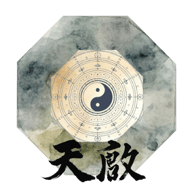
Yang Fire (丙) born in Spring (春) means the chart-holder’s day pillar — the central axis of any BaZi reading — is set against the seasonal context of Wood dominance. The Spring season covers the lunar months 寅 (Tiger), 卯 (Rabbit), 辰 (Dragon), anchored by the solar terms Lichun to Lixia (roughly Feb–early May). In Five Phases terms, Wood’s prevailing energy through these months interacts with Yang Fire’s Fire element in a specific dynamic, and that dynamic is what determines what the chart needs to balance — the useful god (用神).
Classical reading: 壬 (Yang Water) to balance heat as primary useful god, with 庚 (Yang Metal) to provide fuel-source structure as secondary. The standard practitioner caveat: 春丙得壬水, 大富之命 — ‘spring Bing with Yang Water makes a great wealth fate’. Avoid: compounding Wood-Fire excess, weakening Water further.
Yang Fire born in Spring is the rising sun in its own supportive Wood season — tendency toward outward expansion. The chart-holder typically generates a lot of energy; the question is whether they have Water to balance it. Yang Water as useful god channels the heat into wealth/material outcomes; Metal supplies the structural form.
This is the seasonal layer only. Real useful-god analysis examines the FULL chart, not just Day Master × season. A practitioner-grade reading factors in the structure (格局) of the chart, the strength rating of the Day Master (旺衰), the prevailing element across all four pillars, the hidden stems in the month branch (月令藏干), the role of each pillar (year, month, day, hour), and any classical configurations the chart contains. Two Yang Fire charts both born in Spring can need different useful gods because of how their other pillars stack. Use this page as orientation for what to look at first; for an actual useful-god reading of your specific chart, book a consultation — or learn the full method in the BaZi Bootcamp.